
Earlier this month, many of the world’s best players released a joint statement expressing their dissatisfaction at the prize money on offer at Roland Garros this year.
Players are unhappy with the prize money on offer at the Parisian event, estimating that the figure as a percentage of revenue will likely still be less than 15 per cent.
The message stated that this figure falls way short of the 22 per cent requested by players.
Aryna Sabalenka then suggested players could ‘boycott’ future Grand Slam events due to the ongoing prize money dispute.
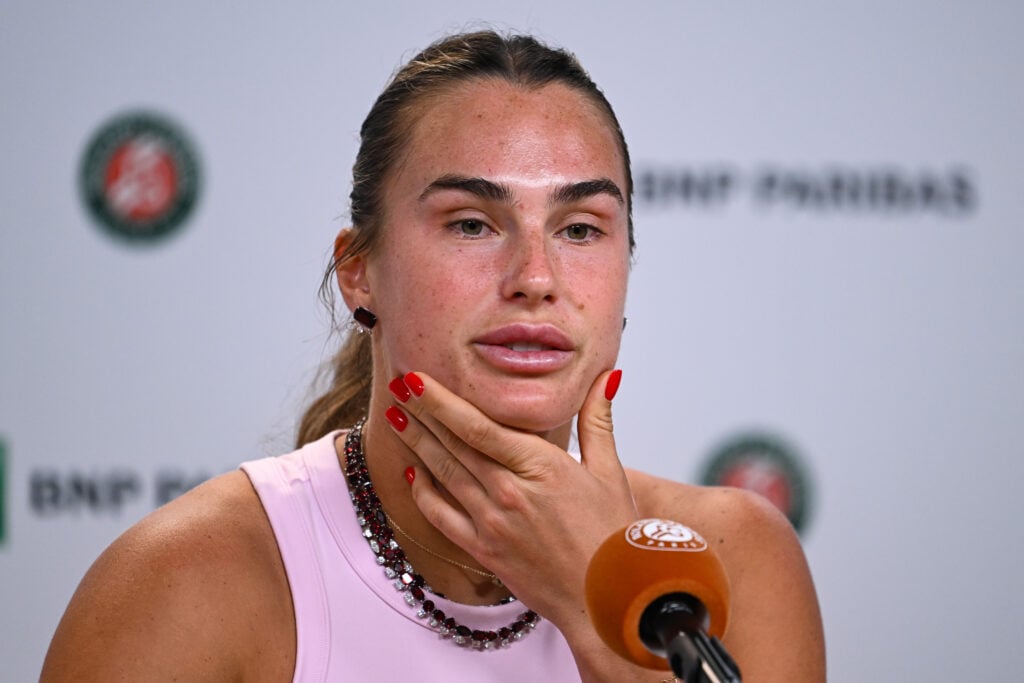
The Belarusian, along with a handful of tennis stars, then staged a format protest by cutting their Roland Garros pre-tournament press conferences short; an action that was labelled as ‘nonsense’ by Anastasia Potapova.
The French Tennis Federation [FFT] have since agreed to speak to players about the prize money dispute.
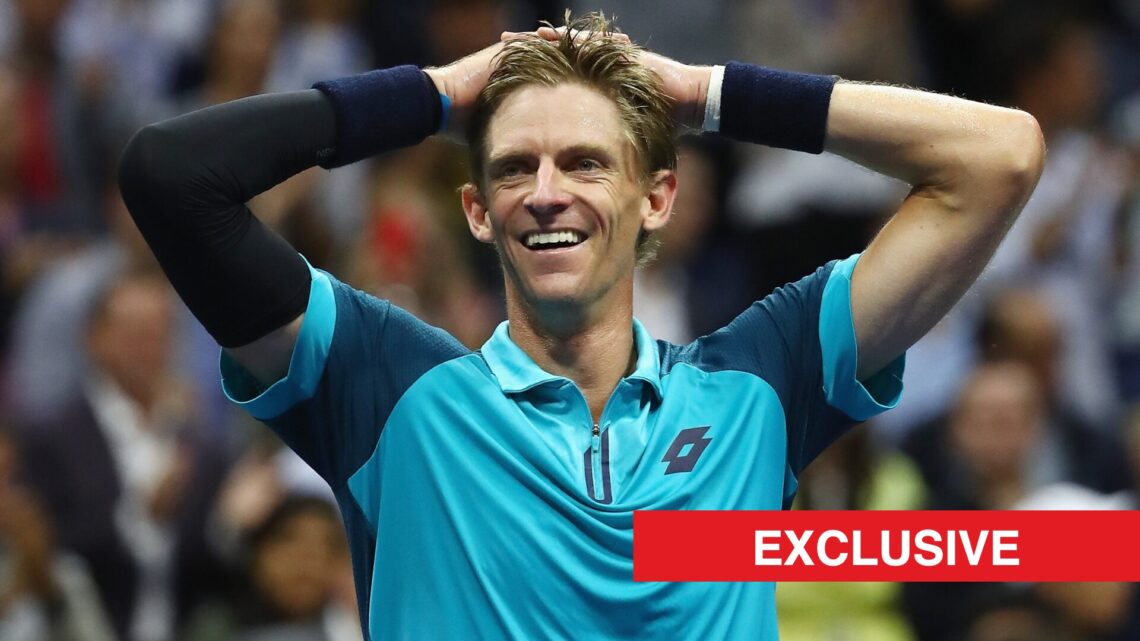
Speaking exclusively to Tennishead, Kevin Anderson has offered his thoughts on the ongoing dispute, and the suggestions of a potential ‘boycott.’
Kevin Anderson says tennis players are ‘underpaid’ and discusses the potential for a Grand Slam boycott
“Yeah, this has been a conversation that has been going on for a long time and the reality of the situation, no matter what anybody says, given the amount of revenue that tennis players make, they are underpaid,” Anderson, who recently joined the Advisory Board at INTENNSE, stated in an exclusive interview with Tennishead.
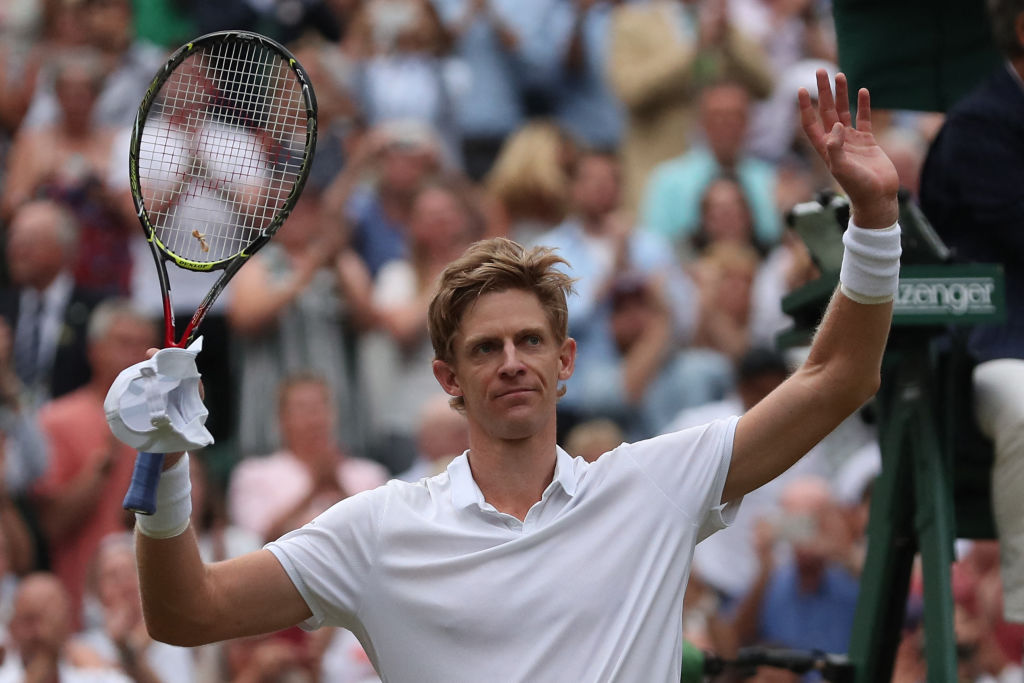
“That’s not taking away the fact that prize money has gone up – and I’m sure people from the Tour will point to all the statistics – but I’ve seen them, I’ve been there, and the reality is, it’s just not an equitable split.
“The structure of the [ATP] Tour makes it very challenging,” the South African went on to explain. “The balance of power between the players and the tournaments sits squarely within the tournaments and that’s just the reality of the situation.
“You’ve got tennis players whose job is to play tennis and you’ve got tournament directors who [for] a lot of them, this is their full-time jobs, that they’re sitting there throughout the year. It’s just an inherently difficult system to be in.
“I mean, the tournaments were… the amount of challenges that we faced 10 years ago increasing tournament prize money, was immense, and you fast forward to today and what a lot of people kind of predicted is yeah, here we are where a lot of these tournaments are seeing record numbers.
“So it’s a tough situation.”
Anderson then discussed the possibility of a Grand Slam boycott occurring, noting that his perspective on the matter has shifted since leaving the professional circuit.
“In terms of a boycott, I don’t know the details,” said the two-time Grand Slam finalist, who served on the ATP Player Council for ten years – from 2012 to 2022 – including four years as Vice President and two years as President.
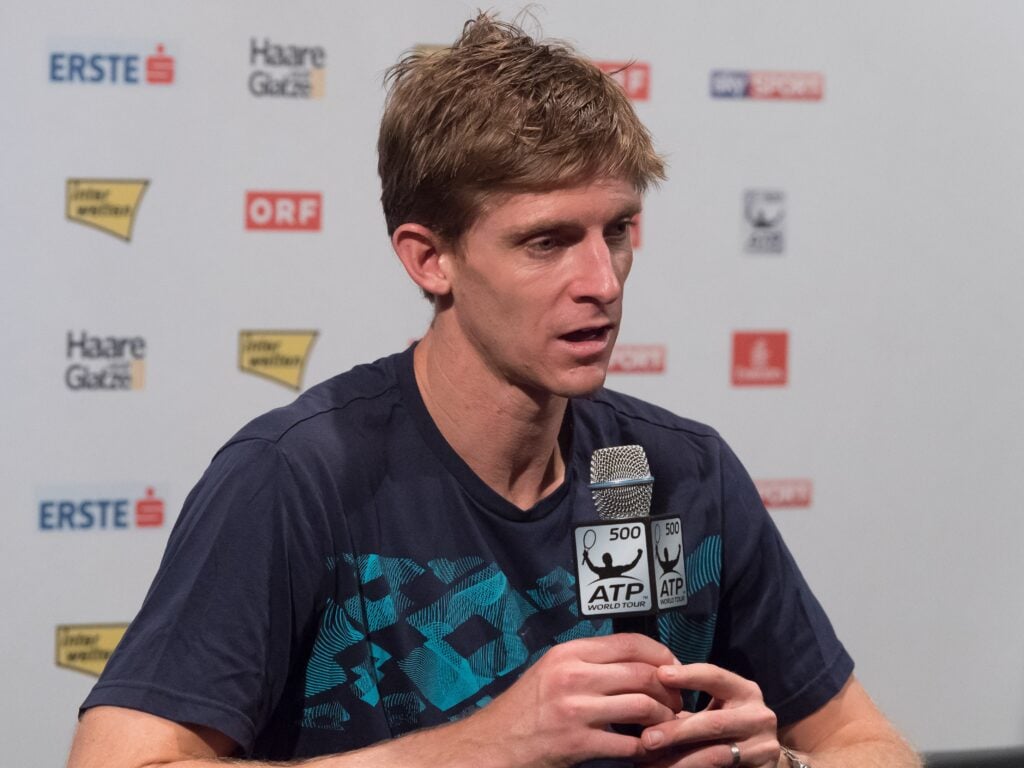
“We were, right from the beginning, there was always this sort of fear put into us that it would be really bad for the players to boycott.
“Now that I’m a little bit older and I’m looking at it differently, I’m not just going to default to that position, I’m not going to say that it’s feasible or it should be done.
“I’m just saying it’s not as cut and dry as I think the general messaging was when I was on the Tour, that it was a hard and fast ‘no, not possible.’
“So I hope they figure this out. I would like to see more tennis players earning a living; and again, just to re-iterate, in the context of all sports, tennis is a higher supporter and a bigger revenue compared to a lot of sports, but you’ve kind of got to flip and see what the total revenue is and what a global sport it is: how many people play, the level of competitiveness and the expenses that tennis players incur.
“That’s one of the reasons, circling back to [inaudible] in tennis is starting, because you have a lot of really good tennis players who have dedicated their lives to the sport and are not able to really make a living or support themselves, and then they find themselves in these environments like the futures of challengers where they are largely on their own, [with] very little support.
“It’s not a great setup overall.
“I’m just talking for ATP, not WTA, right now because I know ATP better. They’ll point to great numbers and great increases and all that stuff, which I’m not diminishing, but I’d like to see more to be done.

“I think a lot of that is also because we’re at such a low benchmark. If you won a futures not too long ago it was $1,300. I mean, you double that to $2,600, you’re still losing money. But on the piece of paper you can say ‘well, we’ve had 100 per cent increase.’ So that can be a little bit misleading there.
“And that has been the case with some of these numbers, so I’m out of it now so it’s easier for me to have an objective point.
“While I was in the Tour, I was kind of a little bit more cautious, and tried to understand.
“But looking on the outside now that I’m done with the sport, and kind of seeing what players are going through and what’s going on.
“I’m a little bit, not concerned, but I don’t feel like things are where they should be.”
Kevin Anderson says if the INTENNSE format can translate onto the international stage
Anderson was recently named to the Advisory Board at INTENNSE, joining the likes of Sloane Stephens and Diego Schwartzman in playing a role in the development of the tennis league.
The INTENNSE league format varies significantly from the rules of a traditional tennis match, with the focus being on fast-paced, dynamic action.
If you were in charge of tennis, what is the first rule you would change?

Players are only allowed one toss and one serve per point, and the teams of eight are granted unlimited substitutions during three 10-minute periods of continuous play.
The team that wins the most points over the three 10-minute periods, wins the contest.
When asked if the format of INTENNSE could translate onto the international stage and achieve a similar growth to pickleball and padel, Anderson replied: “With INTENNSE, it’s not like a new game in the same sense as padel or pickleball.
“You’re still playing tennis and obviously they’re some rule changes with only one serve and there’s a big format change in terms of how matches are constructed.
“I think there is a big opportunity. The goal isn’t to replace the French Open [laughing]. That’s not the idea.
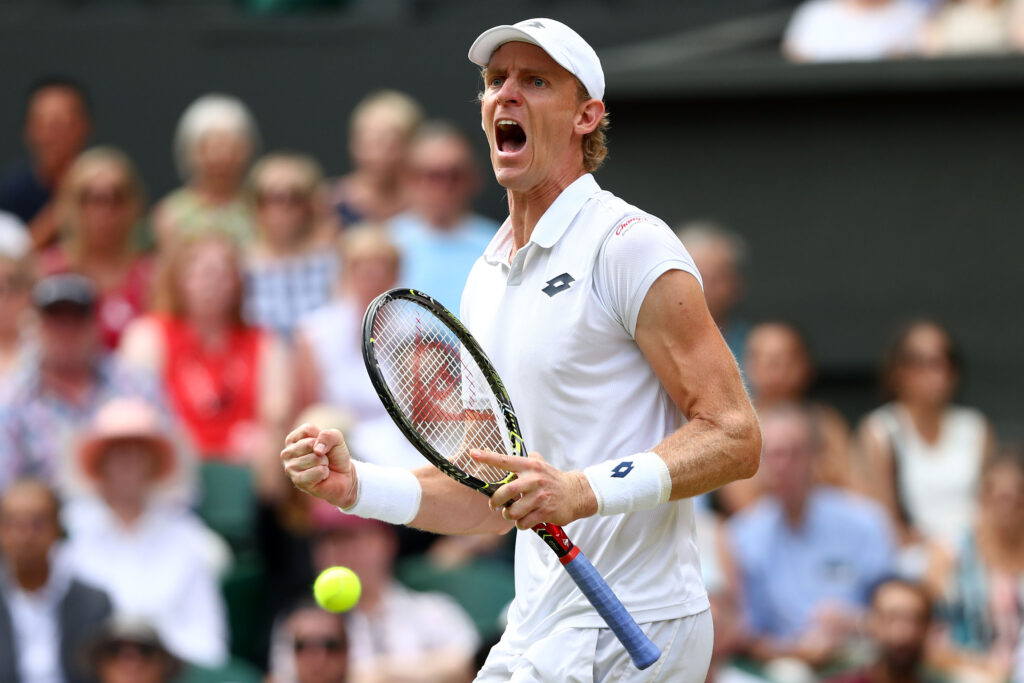
“But what it does is serve as an opportunity for many tennis players who aren’t supported through the current ATP system,” the South African added.
“There are a lot of very good tennis players and the reality with being such a global sport is with a lot of them it’s not financially viable.
“The ATP isn’t necessarily trying to solve all player experiences from a health and wellness and a deeper connection, and I think that’s been one of the primary motivators with INTENNSE.
” Is it going to parlay into social? I mean, potentially. I think there would maybe be like social events that adopt the INTENNSE format and bring more of a team aspect to tennis from a public consumer amateur tennis player.
“But I think that’s all a bit down the line right now. I think the biggest focus is starting where things are, continue building the league – the professional league.
“They’re lots of opportunities to do this in other countries – starting in Atlanta and building from there.”