

The Roland Garros organisers have routinely come under scrutiny in recent years, and with good reason.
After all, their consistent dismissal of women’s tennis when selecting their prime time slot has bordered on embarrassing, rivalling the excuses they often pump out to justify such blatant sexism.
However, last night marked a refreshing change, albeit one they simply had to make.
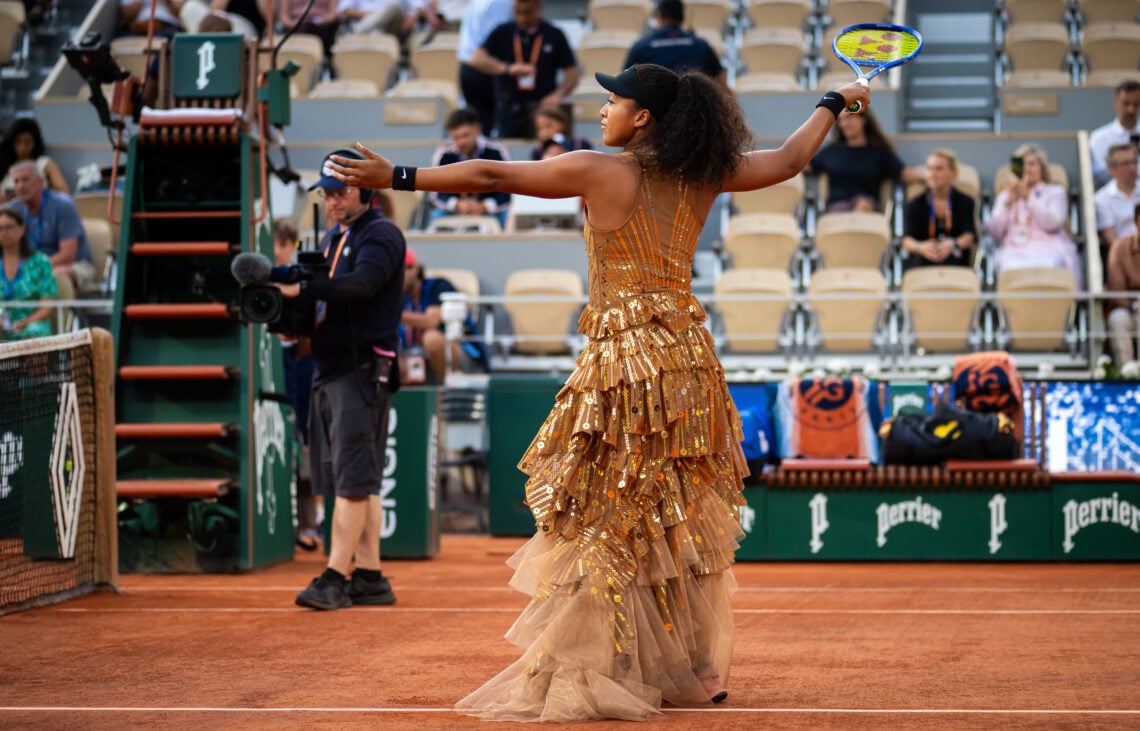
Roland Garros selected Aryna Sabalenka’s clash with Naomi Osaka as the night session match, marking the first women’s match to feature in that slot in over three years.
Naomi Osaka and Aryna Sabalenka have been confirmed as a night session match… is this the right call?
Could it hurt women's tennis if the match is not a thriller?

This was met with widespread approval, but also much shock, given how many star-studded women’s matches they have overlooked in the past.
And, arguably, this token gesture to appease any criticism has caused far more problems than it solves, given the unfair and unnecessary pressure it added to the match.
Roland Garros organisers put so much unfair pressure on Aryna Sabalenka vs Naomi Osaka
By making women’s night matches so sparse, it meant there was this strange energy surrounding last night’s heavyweight clash.
After all, it almost felt like there was a need to live up to some kind of invisible expectation of what a night match should be, despite there having been plenty of men’s matches which hardly inspired those inside Philippe Chatrier.
Fortunately, both Aryna Sabalenka and Naomi Osaka rose to the occasion and put on a show, but other players could have justifiably wilted.
It’s totally unfair and completely ridiculous that, by creating this ludicrous narrative over the past few years, the Roland Garros organisers have made it so women’s matches are expected to rise to the occasion.
Men’s matches rarely face the same scrutiny.

To emphasise just how big and rare an occasion this was, Sabalenka even made a comment about playing in the night session straight after her win over Osaka.
It was as shocking to her as it was to the rest of the tennis world, and therein lies the problem.
Why do Roland Garros often refuse to put women on the night session?
There are plenty of reasons that Roland Garros peddle out when trying to defend their consistent omission of women’s matches from the night session.
Few hold any weight.
After all, it’s impossible to defend when, before last night, no women’s match has been held at night since 2023, and only four of the 60 night session slots had been played by WTA players.
Amelie Mauresmo, the controversial tournament director, has tried her best though.
Who is Aryna Sabalenka’s biggest threat for the Roland Garros title now?

Last year, when the controversy really seemed to increase, she argued: “Since men’s tennis is played at the best-of-five sets, three sets will be played at a minimum. It’s complicated for us to do otherwise.”
Despite last night’s one token gesture from the Roland Garros organisers, allegations of sexism will not abate. And nor should they.