
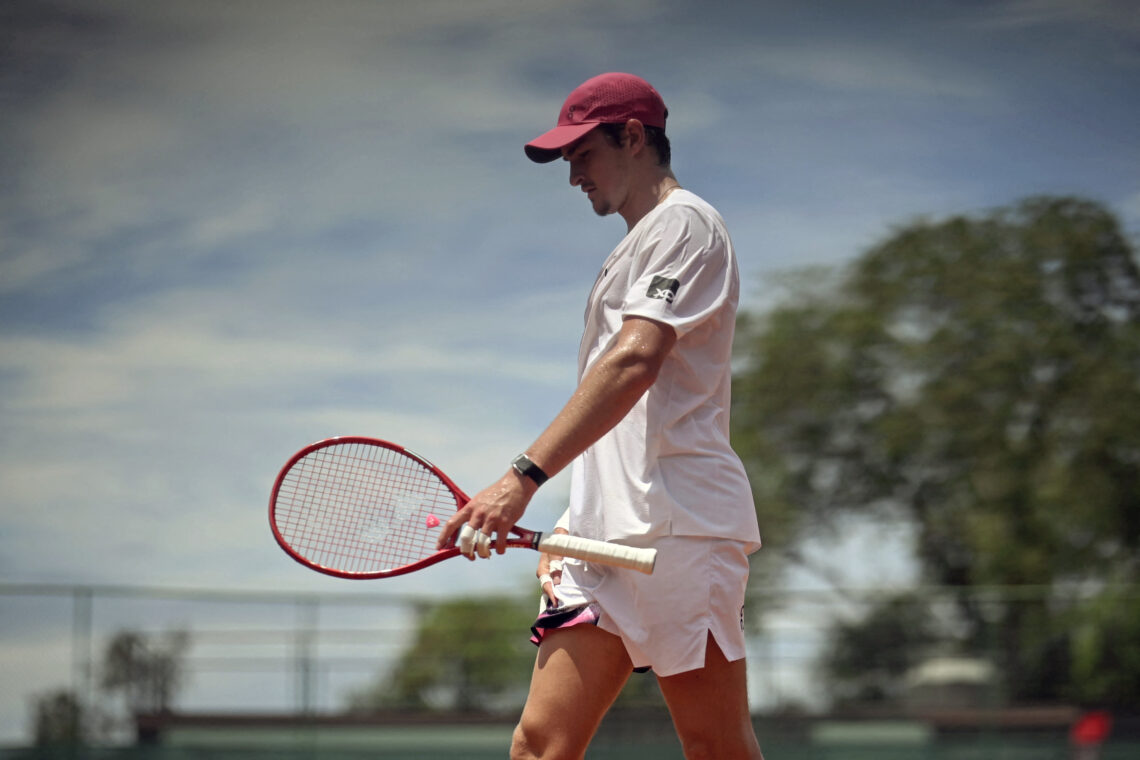


Joao Fonseca caused a stir with his recent comments about the Rio Open.
Ahead of the tournament, Fonseca called for the Rio Open to switch surfaces, stating that a surface change is ‘essential’ for the tournament’s growth.
The Brazilian argued that, while the event is ‘exceptional,’ it struggles to attract some of the world’s biggest stars because it falls within a period of the season dominated by hard-court events.
While Fonseca makes a valid point regarding the need to attract bigger names to the Rio Open, his solution to the problem is incorrect.
Joao Fonseca will be the man to unsettle Carlos Alcaraz and Jannik Sinner’s duopoly over men’s tennis – Prove us wrong!

Simply put, the ATP Tour does not need any more hard-court events.
The ATP Tour does not need any more hard-court tournaments
The 2026 ATP Tour season is dominated by hard-court events.
This year, there will be 34 hard-court tournaments, 19 on clay and only seven held on grass. On the WTA Tour, the ratio is even more shocking, with 36 of the 55 tournaments being played on hard courts in 2026.
While Fonseca may be correct in arguing that the Rio Open falls in an awkward period of the calendar, changing the surface from clay to hard is not the solution.
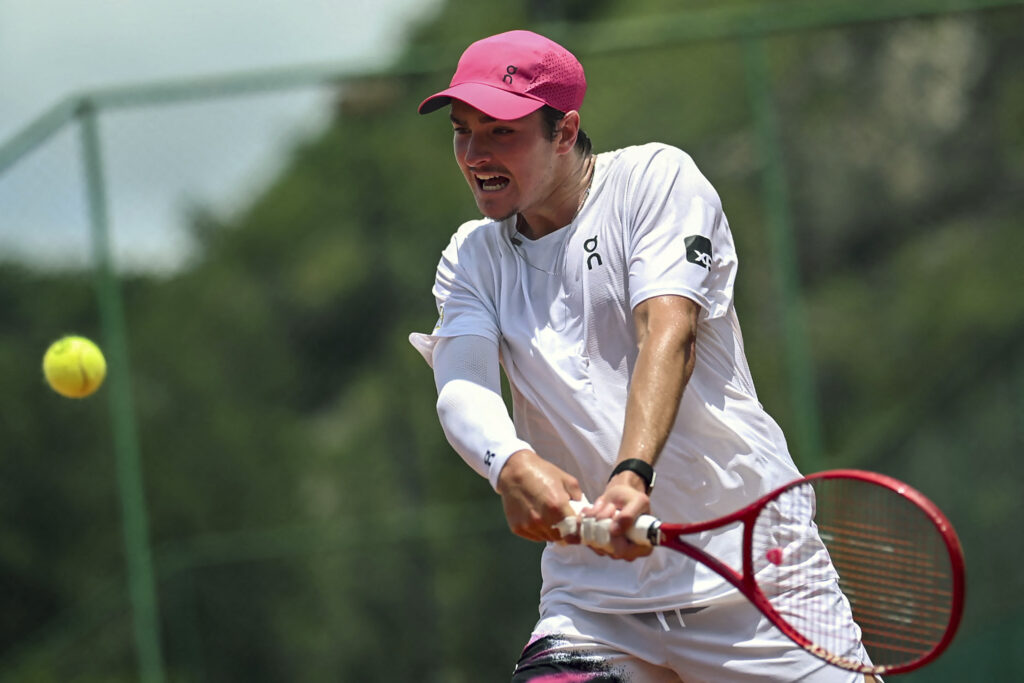
The ATP should be looking to reduce the number of hard-court tournaments while increasing the number of clay and grass-court events.
Moreover, another hard-court event is set to join the ATP calendar in 2028: the Saudi Arabia Masters 1000.
Those players who prefer hard courts already have a significant advantage on the Tour; so a change to the Rio Open surface would further imbalance the playing field.
The tournament almost switched to hard courts in 2019
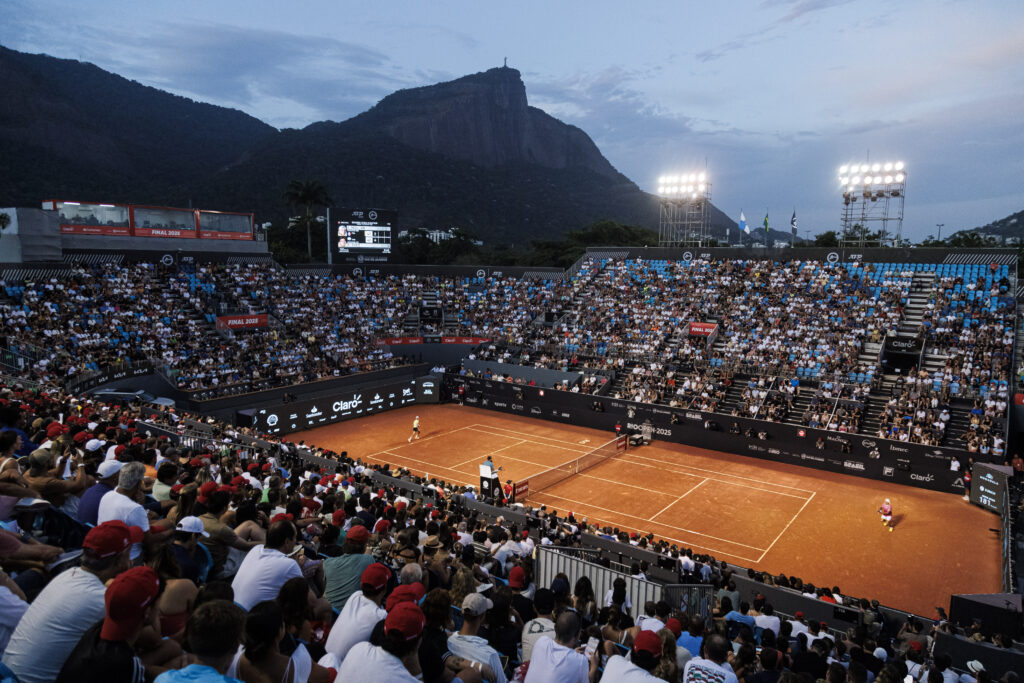
The Rio Open has been played on its iconic outdoor clay courts at the Jockey Club Brasileiro since the tournament was first established in 2014.
However, in 2019, the tournament was reported to be nearing a move to the hard courts of the Barra da Tijuca Olympic Park.
As reported by Lance!, Paulo Marcio, the president of the Olympic Legacy Governance Authority, said: “I’m in contact with the Rio Open people and I’d say there’s a 90% chance we’ll close the deal. I was quite excited about what I saw of their project.”
However, this move never materialised.
What is the solution?
If the tournament maintains its clay-court surface and wants to attract bigger names, the event must be moved to April or May on the calendar.
If the Rio Open were moved to this section of the calendar, players would have no qualms about competing on the clay courts, as the event would be taking place in a period of the calendar which is dominated by clay-court events.
If you were in charge of tennis, what is the first rule you would change?

Moving the tournament to this section of the calendar would be a sensible move, as the Rio Open – as South America’s biggest ATP tournament – should be attracting some of the best players in the world to come and compete.
However, there are currently no suggestions that the event will make a move, meaning the tournament is unlikely to change anytime soon.


